 As we’ve mentioned before, federal funding for bicycling and walking is under threat, and FABB is joining the Rails to Trails Conservancy (RTC) in urging riders to speak up in support of trails and trail networks.
Congress is now working on the next federal transportation bill, and decisions made during this process could determine the future of programs that have helped communities across the country build and maintain trails, sidewalks, bike facilities, and other active transportation infrastructure. Programs such as Transportation Alternatives and the Recreational Trails Program, along with other federal grants, have helped create more than 42,500 miles of trails nationwide.
Some in Washington, however, are calling for significant reductions—or even an end—to federal support for trails and bicycling infrastructure. That would be a serious step backward. Trails aren’t luxuries or amenities that can simply be separated from the rest of the transportation system. They are transportation infrastructure that gives people safe, affordable, healthy ways to get where they need to go.
Northern Virginia Needs More Connections, Not Fewer
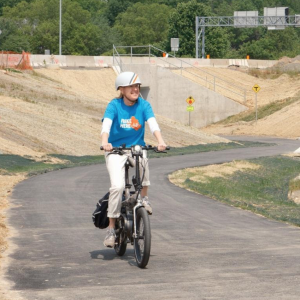
We see the value of these investments every day in Northern Virginia. Our region has a remarkable and growing network of trails, including the Washington & Old Dominion Trail, Mount Vernon Trail, Gerry Connolly Cross County Trail, Fairfax County Parkway Trail, Custis Trail, and many other regional and neighborhood connections.
But having great individual trails isn’t enough. Their greatest transportation value comes when we connect them to one another—and to neighborhoods, schools, shopping areas, employment centers, parks, Metro stations, and other destinations.
Closing missing links, eliminating dangerous road crossings, maintaining aging trail infrastructure, improving access to transit, and extending trails into communities that still lack safe bicycling connections can transform a collection of trails into a genuine transportation network. Federal funding has been—and must remain—an important part of making those connections possible.
Cutting that investment now would make it harder for Fairfax County and the rest of Northern Virginia to complete the safe, connected bicycle network our growing region needs.
RTC Makes It Easy to Contact Congress
 Rails to Trails Conservancy has created a simple online advocacy form that makes it easy to contact your elected officials and tell them that trails, bicycling, and walking deserve continued federal transportation funding.
Take action here: https://www.railstotrails.org/policy/
RTC recommends personalizing your message, and FABB strongly agrees. Tell your representatives which Northern Virginia trails you use and why they matter to you. Explain how better trail connections would help you ride to work, Metro, school, shopping, parks, or simply around your community without having to mix with high-speed traffic.
Members of Congress need to hear that their constituents don’t want America to retreat from decades of progress. We need to maintain the trails we already have, close the gaps between them, and continue building the safe bicycling and walking infrastructure our communities need.
And while you’re advocating for trails, don’t forget the easiest way to demonstrate their value: get out and ride them.
Finally, support FABB. We’re your local bicycle advocacy organization, working throughout Fairfax County to make sure bicyclists’ voices are heard by elected officials and transportation agencies. Strong federal programs combined with strong local advocacy can help turn Northern Virginia’s excellent collection of trails into something even better: a truly connected network that lets everyone bike safely where they want to go.


