 At a time when demand for safer, healthier, and more sustainable transportation options is rising, two alarming developments are making it clear: if we want real change in Northern Virginia, we’re going to have to fight for it—together. Recent reporting by Scott McCaffrey of FFX Now and Ted Mann of Bloomburg shows that the road to better biking is becoming longer and more difficult.
Federal Hostility, Local Inertia
In mid-September, Fairfax County supervisors expressed deep frustration over the sluggish pace of pedestrian and bicyclist improvements. Despite approving more than $80 million in funding over the last few years, only a fraction of it—about $12 million—has been spent or even encumbered. Projects aimed at making our streets safer for walking and biking remain stuck in a bureaucratic tangle.
Dranesville Supervisor Jimmy Bierman put it bluntly: “I’ve had it up to here.” Chairman Jeff McKay echoed the concern, calling for urgent action: “This issue has to be fixed. It should not take this long.” County staff, pointing to potential VDOT-related delays, offered reassurances, but the bottom line is clear: without pressure from the public, these projects may continue to languish.
And just when local governments need federal support to meet rising safety and climate challenges, the Trump administration has made clear that it will not only oppose active transportation—it will punish it.
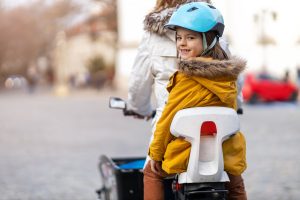
Hostile to cars? Really?
Last week, the U.S. Department of Transportation rescinded grants across the country for bike lanes, pedestrian trails, and safety improvements. Why? Because these projects were deemed “hostile to motor vehicles.” In San Diego, Boston, and even Alabama, multi-million-dollar investments in safer streets were canceled for the sin of reducing car lane capacity or improving infrastructure for people on foot or bikes.
Here in Northern Virginia, we haven’t yet been directly affected by the federal rollbacks—but we’re far from immune. These trends will have long-term ripple effects, from competitive grant access to the kinds of projects local governments feel confident pursuing.
What’s at Stake
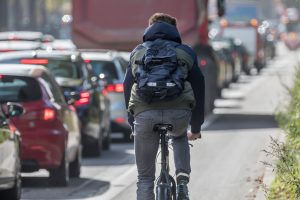 If we allow this moment to pass without action, we’ll pay the price for years to come. Inadequate investment in active transportation means:
- More Congestion: Roads alone can’t handle our growing population. Bikes and transit are essential tools for reducing gridlock.
- Longer Commutes: Without safe alternatives, more people are stuck driving farther, longer, and less efficiently.
- More Pollution: Cars remain one of the largest contributors to greenhouse gas emissions in our region.
- Worsening Public Health: Communities without safe walking and biking infrastructure face higher rates of obesity, asthma, and other chronic diseases.
We’re already seeing the consequences. Cyclist and pedestrian injuries and fatalities remain unacceptably high. Climate goals are slipping further out of reach. And neighborhoods that most need investment—whether for safety, equity, or connectivity—are often the last to get it.
We Need You in the Fight
This is why FABB exists. For 20 years, we’ve fought to make Fairfax County a safer and more accessible place to ride. We’ve celebrated real wins—but right now, it’s clear we need more voices, more volunteers, and more advocates pushing for progress.
We urge you to:
- Join FABB – Become a member or renew your support
- Speak Up – Write your county supervisor or attend a public meeting
- Spread the Word – Share this blog, bring a friend to a ride, and follow FABB on social media
- Stay Engaged – Our community can’t afford to be passive while others try to erase years of progress.
The road ahead is challenging, but we’re not backing down. With your help, we can ensure Fairfax—and the entire region—keeps moving toward a future where biking is safe, accessible, and celebrated for everyone.
Let’s push for change—before it’s too late. We need your help, so contact us at [email protected].


